
The Real Cost of Fixing a Missouri Home
A leaky roof in St. Louis or a failing HVAC system in Springfield doesn’t care about your monthly budget. One morning you notice the water staining the ceiling, and by the next afternoon, you are staring at a repair estimate that feels more like a ransom note than a professional quote.
Missouri homeowners often find themselves stuck between two bad choices. You can either watch your property value drop while waiting for a windfall that might never come, or you can dip into your savings and leave yourself with zero cushion for the next emergency.
Property maintenance isn’t usually a gradual process. It’s a series of sudden, expensive shocks that demand cash right away. Whether you’re looking to update a kitchen or just keep the structure standing, the financing options in the Midwest are surprisingly varied.
Choosing Between Personal Loans and Home Equity
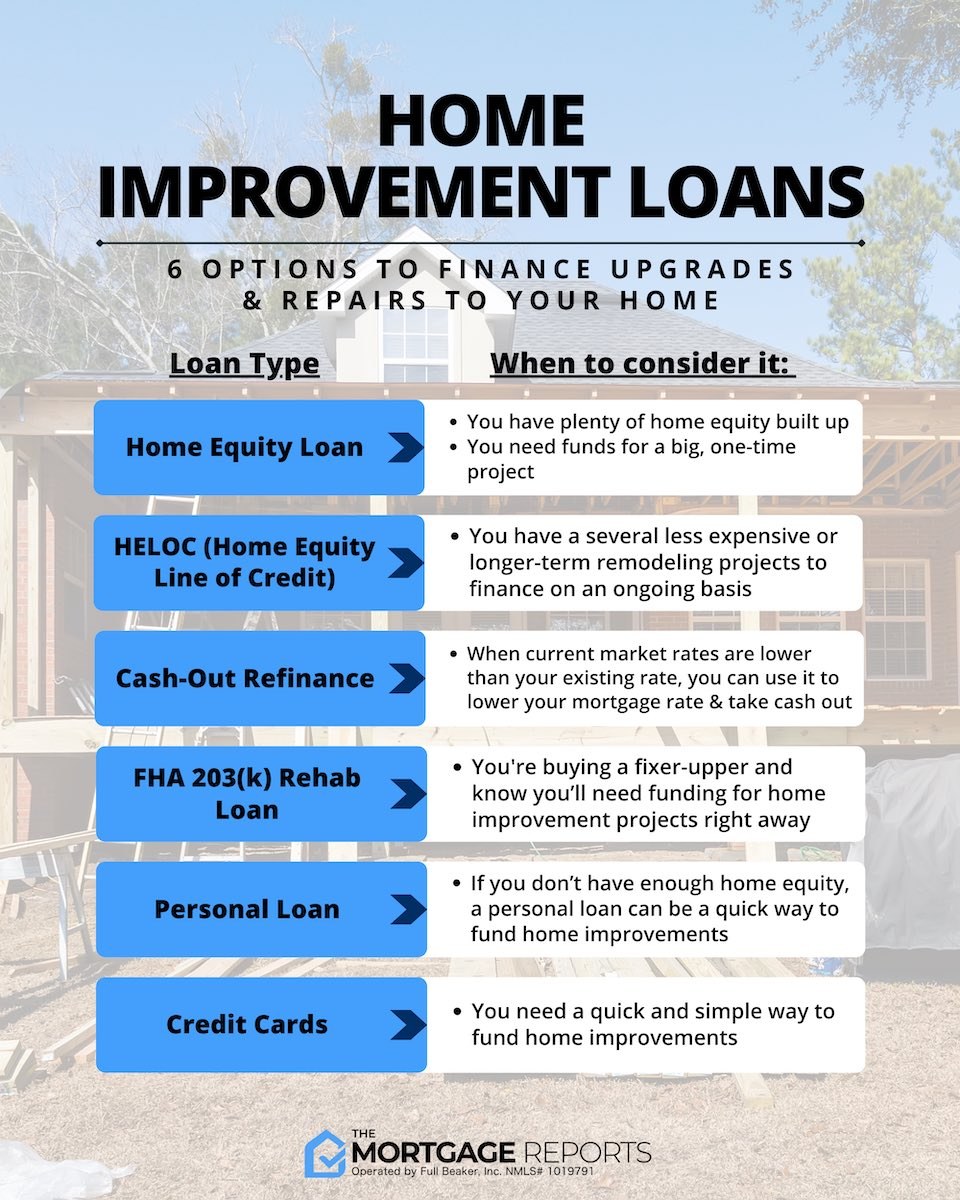
Deciding how to pay for a renovation often comes down to how much risk you’re willing to take with your roof. A lot of people assume a home improvement loan has to be tied to the house, but that isn’t always the case.
An unsecured personal loan lets you finance these upgrades without using your home as collateral. This is a big distinction; if you can’t meet the monthly payments, the lender can’t easily seize the house, which helps limit your risk of foreclosure if things get rough (see how to get a home improvement loan). These loans are often faster to get because the bank isn’t performing a full appraisal on your property before cutting a check.
On the other hand, you have loans that specifically target your equity. If you’ve built up a lot of value in your Missouri property, you might look at a dedicated product like the one offered by First Bank’s low, fixed-rate home improvement loan, which provides up to $10,000 for those more immediate, costly updates and repairs.
The decision isn’t just about the interest rate. You have to weigh the paperwork against the timeline. A personal loan is often a “quick fix” solution, while equity-based loans usually require more documentation and a longer wait for approval. It’s a trade-off between speed and cost.
Consider this comparison of common financing structures:
| Feature | Unsecured Personal Loan | Home Equity/Improvement Loan | |
| Feature | Feature | Feature | |
| Collateral | Collateral | Collateral | Collateral |
| Collateral | None (Unsecured) | Your Property | |
| Approval Speed | Fast (Days) | Slower (Weeks) | |
| Interest Rates | Generally Higher | Generally Lower | |
| Risk Level | Lower (No foreclosure risk) | Higher (Home is at risk) |
If you need more substantial financing, some institutions offer much larger amounts. Navy Federal Credit Union, for instance, allows you to borrow up to $150,000 for home improvement projects, a significant jump from a standard consumer loan.
You should also check with local institutions like Missouri Lend to see what regional terms might be available for your specific credit profile and location.
Federal Assistance and Low-Income Programs
Not every homeowner has a high credit score or a pile of equity to tap into. For many, standard banking products are totally out of reach. This is where government-backed programs become important for maintaining safe housing.
The USDA runs specific programs for people struggling to maintain their property. For very-low-income homeowners, there are options to repair, improve, or modernize a home through the Single Family Housing Repair Loans & Grants program. This can be a lifesaver for those in rural or underserved areas of Missouri.
These programs are very particular about who qualifies. You can’t just apply because you want a new backsplash; the funds are for essential repairs that keep a home habitable. According to the USDA website, the maximum loan amount is $40,000, while the maximum grant available is $10,000. A grant is a big deal because you don’t have to pay it back, provided you follow the strict guidelines regarding how the money is used.
These programs are a lifeline. They exist because a house that falls into disrepair eventually becomes a hazard to its inhabitants and a blight on the community. If you fall into this demographic, your first stop should be your local USDA Rural Development office rather than a high-street bank.
Eligibility usually depends on a few things:
- Income limits
- Homeownership status
- Property condition
- Location
- Income limits: Your household income must fall below specific thresholds set by the USDA.
- Homeownership status: You must be the owner and live in the home as your primary residence.
- Property condition: The home must meet certain safety and health standards to qualify for repair assistance.
- Location: Some programs are strictly limited to rural areas rather than urban centers.
It’s a bureaucratic process. You’ll need to provide plenty of documentation regarding your income and the specific repairs needed. It isn’t a quick way to renovate a kitchen, but it is a way to keep a roof over your head.
Navigating Loan Amounts and Repayment Terms
When you sit down to look at the numbers, the options can be overwhelming. You might start thinking you need a massive loan, only to find that a smaller, more manageable product is actually a better fit for your project.
Personal loans for home improvement can range from $1,000 to $100,000. This flexibility is useful. A $5,000 bathroom refresh requires a very different financial strategy than a $50,000 basement project. You don’t want to be paying interest on $50,000 when you only needed $5,000.
Repayment terms vary, too. Most standard terms fall between one and seven years. A shorter term means higher monthly payments but much less interest paid over the life of the loan. A longer term makes the monthly bill easier to handle but increases the total cost of the project because of the accumulated interest. It’s a balancing act that requires a clear view of your monthly cash flow.
Credit unions often provide a middle ground for Missourians. Volt Credit Union, for example, offers flexible financing with fixed monthly payment options. This can be helpful for someone who wants the certainty of knowing exactly what they owe every month without worrying about fluctuating interest rates.
When comparing these options, keep an eye on these “hidden” factors:
- Origination fees
- Prepayment penalties
- Fixed vs. Variable rates
- Origination fees: Some lenders charge a fee just for processing the loan, which is often taken out of the principal before you even see it.
- Prepayment penalties: Always ask if you can pay the loan off early without being charged a fee.
- Fixed vs. Variable rates: Fixed rates are safer for long-term planning, while variable rates might start lower but could climb higher later.
If you take out a loan for a project and then realize you underestimated the cost, you might find yourself in a tight spot. It’s better to borrow slightly more than you think you need rather than having to take out a second, more expensive loan halfway through the construction.
The Reality of Approval and Approval Hurdles
A common question among Missourians is whether home improvement loans are hard to get. The answer is a blunt “it depends.” Your credit score is the primary driver, but your debt-to-income ratio matters just as much.
If your income is high and your debt is low, the process is relatively straightforward. However, if you’re already carrying significant credit card debt or a large car payment, lenders will look at your application with much more scrutiny. They want to see that you can handle another monthly obligation without defaulting. It’s a simple math problem, and if the numbers don’t add up, they won’t budge.
The “easiest” loans to get are typically the unsecured personal loans because they don’t require an appraisal or a mountain of property documentation. They’re essentially based on your reputation as a borrower. If your credit is solid, you might see funds in your account within a week. If you’re looking for something tied to your equity, expect to provide tax returns, pay stubs, and potentially an inspection of the property.
One thing to watch out for is the temptation to borrow for projects that don’t actually add value. While fixing a leak is an essential repair, using a high-interest personal loan to install a high-end marble countertop might not be a smart financial move if it doesn’t increase your home’s resale value proportionally. You have to think like an investor, even when you’re just trying to make your living room look better.
The most important thing you can do before applying is to get a firm, written estimate from your contractor. A vague quote that says “approximately $5,000” is useless when you’re applying for a loan. Lenders want specific numbers, and you want a budget that doesn’t leave you scrambling for extra cash when the contractor shows up.
Borrowing money to improve a home is a gamble on the future value of your most important asset. Choose your lender with a skeptical eye.

Recent Comments